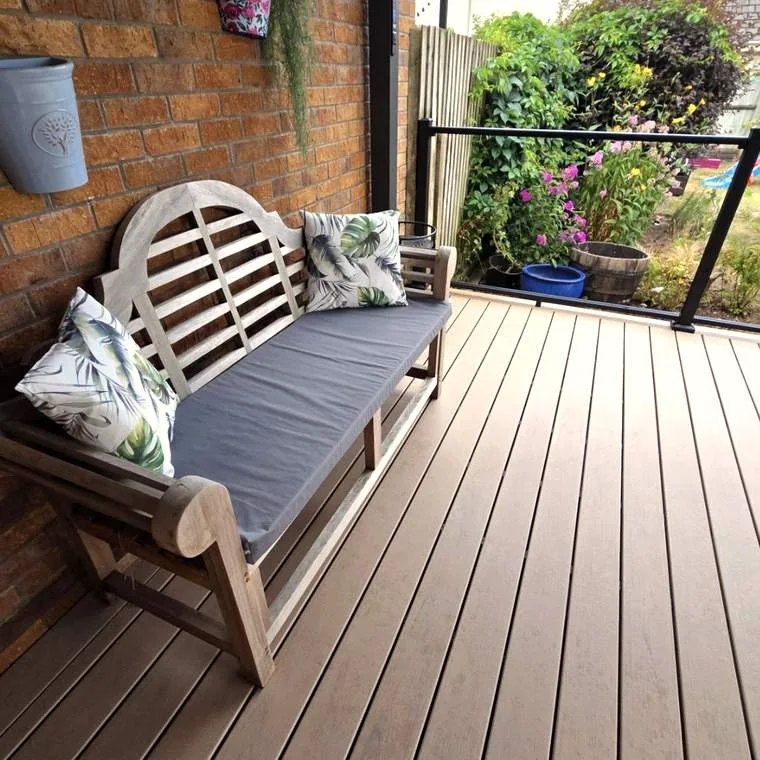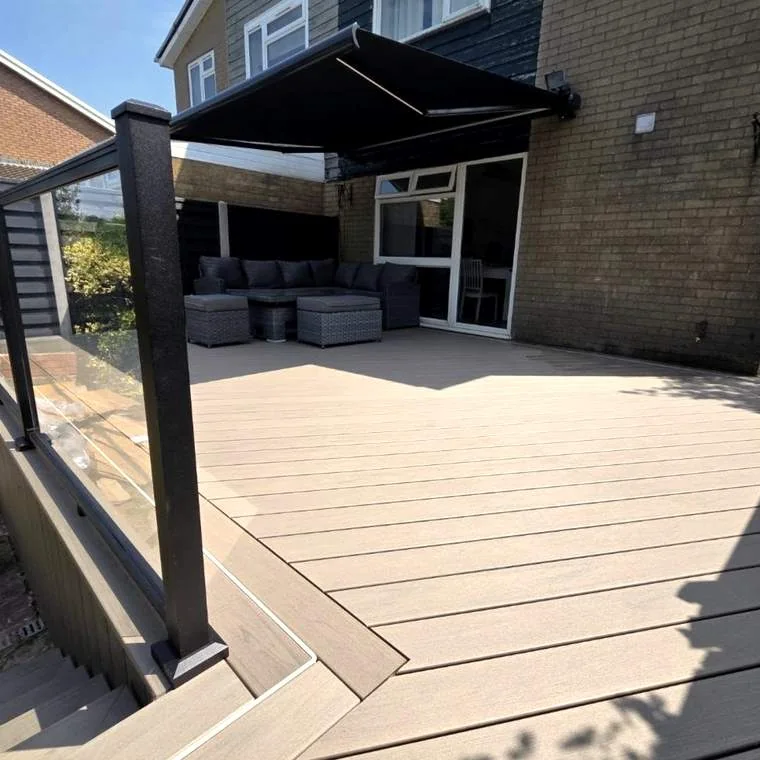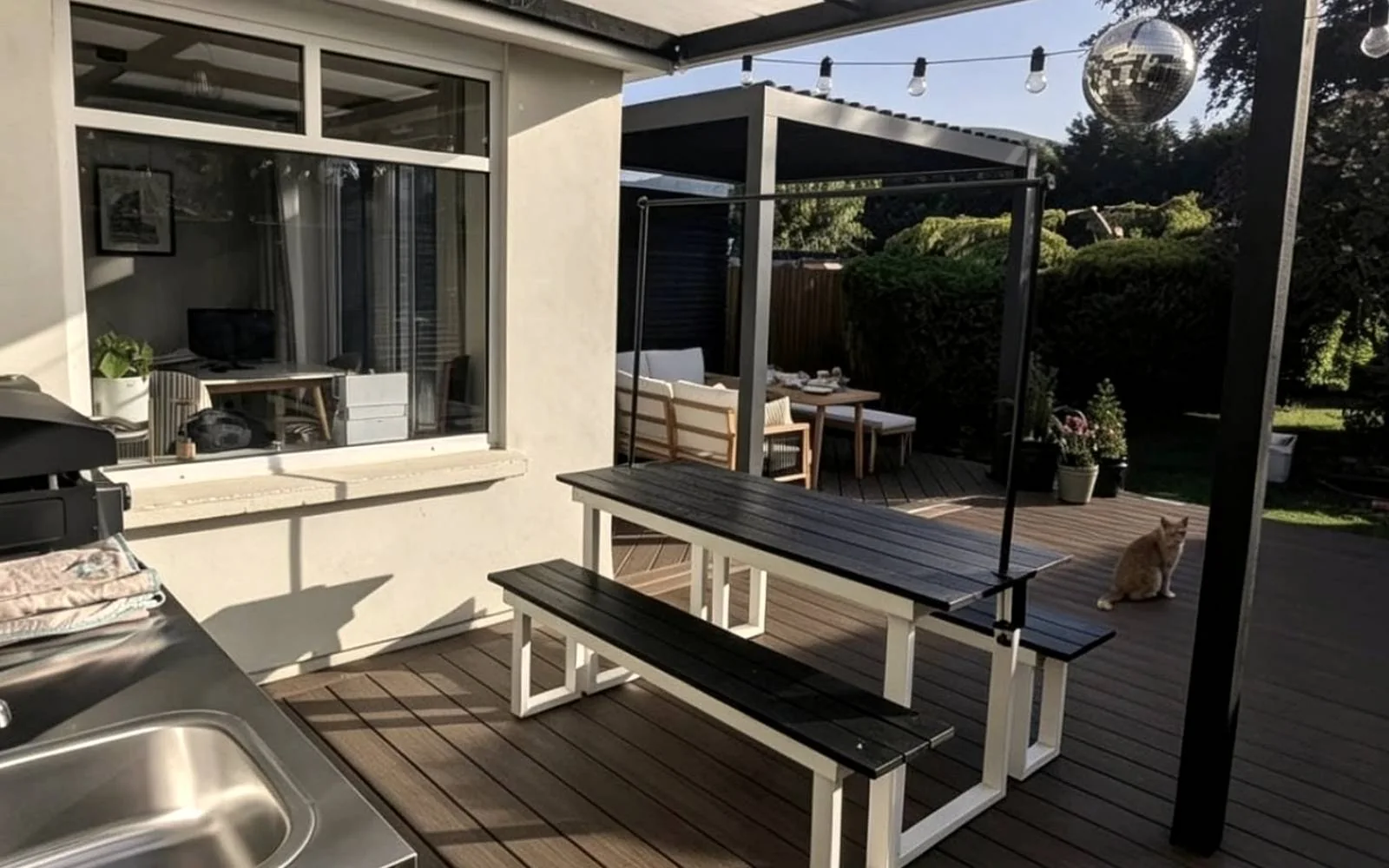

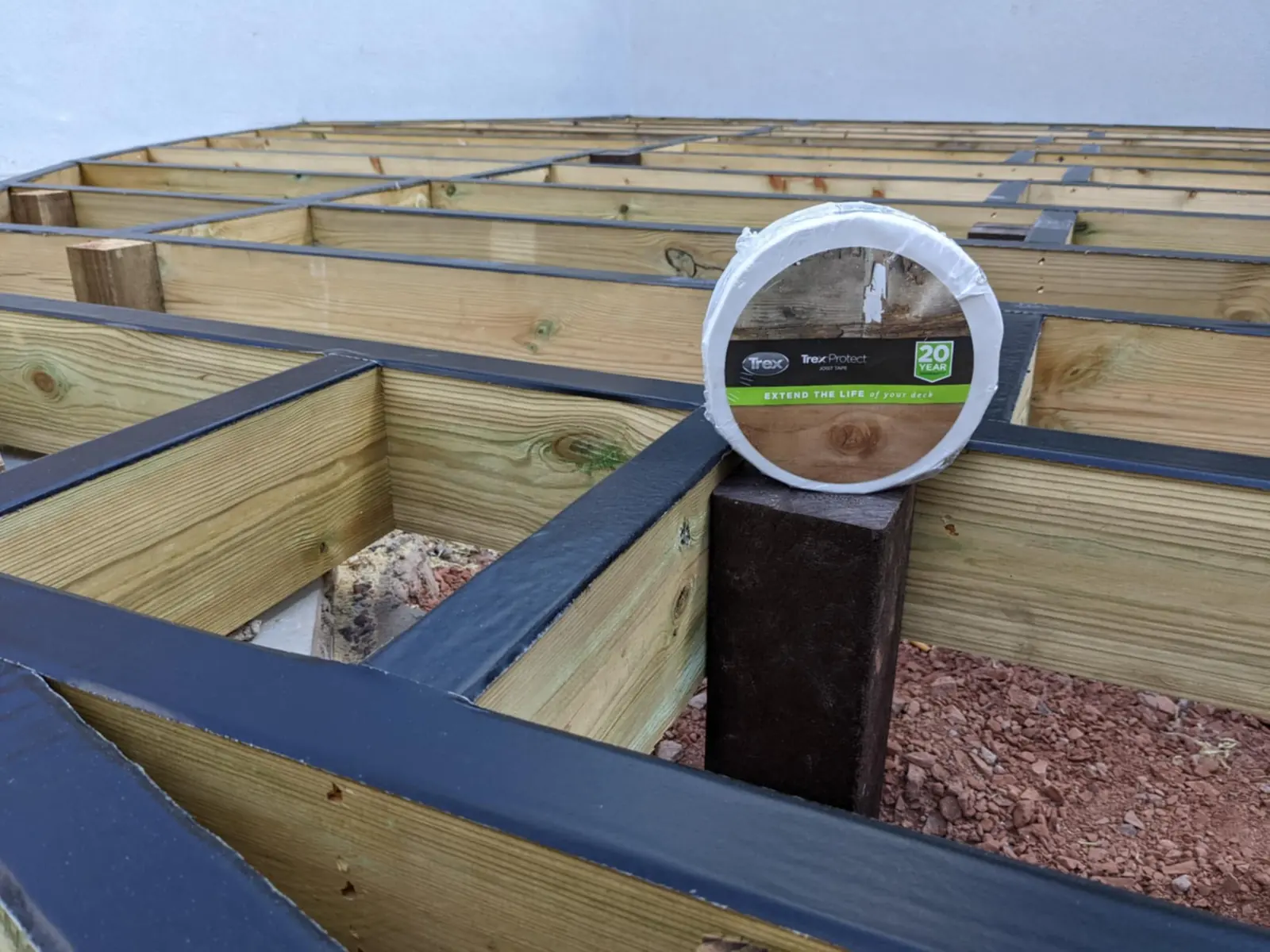
Quick answer
Most problems come from installation, not the boards. In wet South Wales weather, composite decking can get algae, slippery patches, fading or movement, usually from poor drainage, poor airflow or bad installation. Capped boards, a slight fall, proper spacing and regular cleaning prevent most of them.
In this guide
- Do Composite Decking Problems Really Happen?
- Moisture, Mould and Algae on Composite Decking in South Wales
- Is Composite Decking Slippery When Wet?
- Composite Decking Fading, Staining and Coastal Exposure
- Composite Decking Warping, Movement and Installation Issues
- Composite Decking Drainage, Ventilation and Standing Water
- Cheap Composite Decking vs Quality Boards
- How to Avoid Composite Decking Problems
- Why Professional Composite Decking Installation Makes the Difference
- Frequently asked questions
Composite decking is a popular choice for gardens across South Wales. It offers a clean, modern look and avoids many of the common issues that come with traditional timber decking.
However, like any outdoor surface, it is not completely problem free. The wet climate, shaded gardens and coastal conditions in South Wales can highlight certain issues if a deck is not designed or installed properly.
It is important to be clear from the start. Most composite decking problems are not caused by the boards failing. They are usually linked to poor drainage, lack of airflow or incorrect installation.
When these factors are handled correctly, composite decking performs very well and remains a reliable, low maintenance option for outdoor spaces.
At Ellis Decks LTD, we install composite decking across South Wales and understand how local conditions affect long term performance. As a TrexPro® Gold installer, we follow manufacturer-approved methods to make sure every deck is built with proper spacing, drainage and support.
If you are new to composite decking, you can also read our guide on what Trex composite decking is, or explore our composite decking services to see how we design and install decking for local homes.
Do Composite Decking Problems Really Happen?
Yes, but not in the way many people expect.
There are plenty of articles online that focus on the downsides of composite decking. These often make it sound like the material itself is the problem. In reality, that is rarely the case.
Composite decking is designed to resist rot, moisture and general wear far better than timber. It is built for outdoor use, including wet conditions like those we see in South Wales.
The key point is this: composite decking is low maintenance, not maintenance free.
Like any outdoor surface, it still needs basic care. Dirt, leaves and moisture can build up over time, especially in shaded or damp areas. If this is ignored, it can lead to issues such as algae or surface build-up.
The bigger factor, though, is installation.
Problems such as movement, standing water or premature wear are often caused by incorrect spacing, poor subframe design or lack of ventilation. These are not material faults. They are avoidable issues.
With the right design, correct materials and proper installation, composite decking is a durable and long-lasting option for gardens in South Wales.
If you want to see how this looks in practice, you can view some of our completed decking projects, where each deck is built with these principles in mind.
Moisture, Mould and Algae on Composite Decking in South Wales
Why It Happens
South Wales has a wet climate. Rainfall is high (the Met Office regional climate data shows how much wetter Wales is than most of the UK), and many gardens stay damp for long periods, especially in shaded areas or valleys.
Composite decking does not rot like timber, but it is not fully waterproof. Water can sit on the surface or collect in debris such as leaves and dirt. When this happens, it creates the perfect conditions for mould, algae and mildew to grow.
This is more likely in areas with poor airflow or where gaps between boards become blocked over time.
What It Looks Like
Moisture-related build-up usually appears as:
- Green patches or a light film on the surface
- Dark spots or marks in the board texture
- Areas that feel slightly slippery underfoot
This is not the decking failing. It is a surface issue caused by moisture and organic material sitting on the boards.
How to Prevent It
The good news is that this is easy to manage with the right approach. Regular sweeping helps remove leaves and debris before they break down.
Occasional cleaning with water and a mild cleaner will keep the surface clear (Trex has a simple care and cleaning guide). It is also important to keep gaps between boards free so water can drain properly.
From an installation point of view, airflow is key. A well-built deck allows air to move underneath the structure, helping the boards dry out faster after rain.
At Ellis Decks LTD, we design decks with proper spacing and ventilation in mind. This reduces the chance of moisture build-up and helps keep the decking looking clean over time.
Is Composite Decking Slippery When Wet?
The Reality
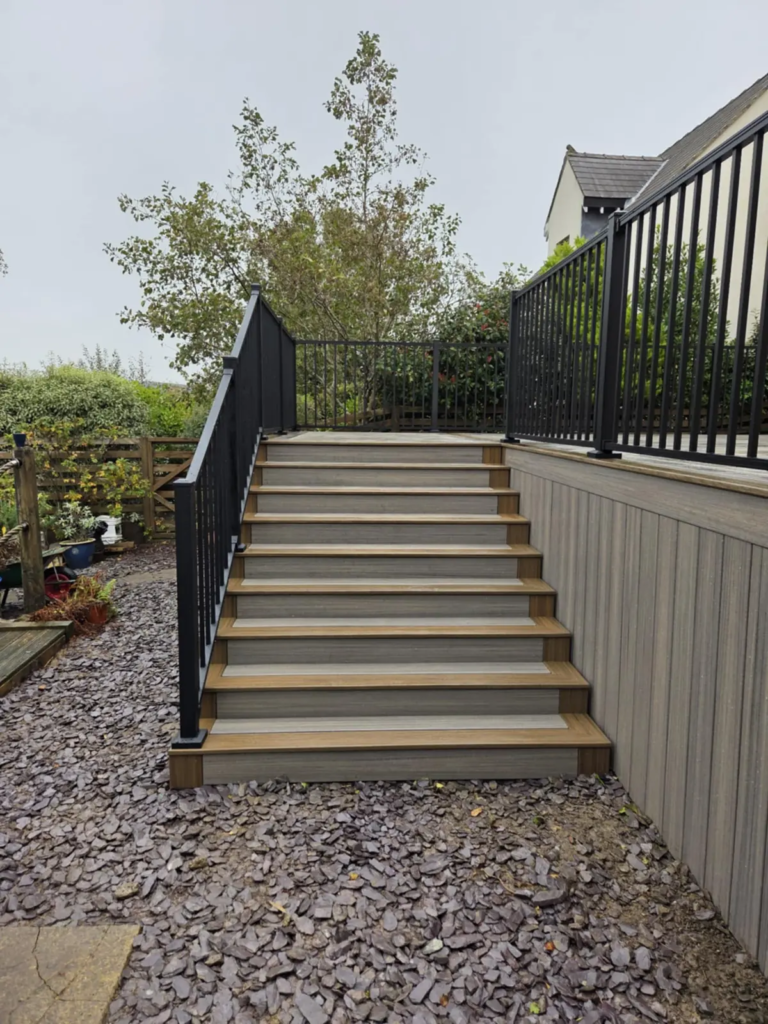
This is one of the most common concerns homeowners have. Composite decking is generally designed to be slip-resistant, especially when compared to smooth timber. However, no outdoor surface is completely slip-proof.
In wet conditions, any decking can become slippery if water, algae or dirt builds up on the surface.
What Makes It Worse
Slippery decking is usually caused by a combination of factors rather than the material itself. Common causes include:
- Standing water that does not drain away
- Build-up of algae or organic matter
- Shaded areas that stay damp for longer
- Lack of regular cleaning
Textured composite boards are designed to improve grip, but those same textures can hold dirt if not maintained.
How to Avoid It
There are a few simple ways to reduce the risk.
Choosing a high-quality, slip-resistant board makes a difference. Just as important is designing the deck so water can run off rather than sit on the surface.
A slight fall in the deck allows rainwater to drain away naturally. Keeping the boards clean and free from build-up also helps maintain grip underfoot.
This is where good installation plays a big role. At Ellis Decks LTD, we build decks with proper drainage in mind, helping to reduce standing water and improve safety in wet conditions.
Worried about an existing deck, or planning a new one? Call Ellis on 07971 750900 or request a free composite decking estimate.
Composite Decking Fading, Staining and Coastal Exposure
What Causes Fading
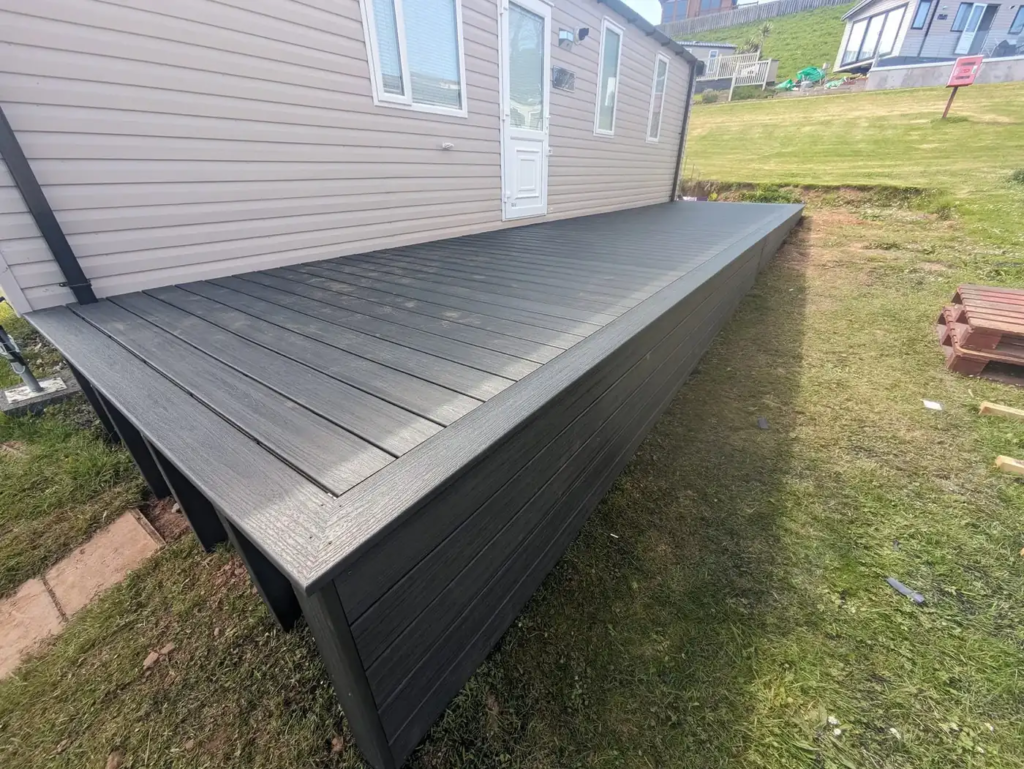
All outdoor materials change over time. Composite decking is designed to resist fading, but it is still exposed to sunlight, weather and general use.
In South Wales, this can be more noticeable in coastal areas where decks are exposed to strong sun and salt in the air. Lower quality or uncapped composite boards are more likely to fade faster and lose their original colour.
Everyday Stains
Day-to-day use can also affect the surface of the decking. Common causes of staining include:
- Food and drink spills
- Barbecues and grease
- Plant pots and soil
- Metal furniture leaving marks
Most of these are not permanent if they are cleaned early, but they can become more noticeable if left to sit on the surface.
How to Avoid It
The best way to reduce fading and staining is to choose a higher-quality, capped composite board. These boards have a protective outer layer designed to resist UV exposure and everyday wear.
Simple habits also make a difference. Cleaning up spills when they happen and using protective pads under furniture can help keep the surface in good condition.
Material choice is important here. Premium systems, such as Trex composite decking, are designed with this type of long-term performance in mind.
Composite Decking Warping, Movement and Installation Issues
Why Boards Move
Composite decking expands and contracts with changes in temperature. This is normal and expected.
In a climate like South Wales, where conditions can shift between wet, cool weather and warmer sunny periods, this movement can be more noticeable if it is not accounted for during installation.
What Goes Wrong
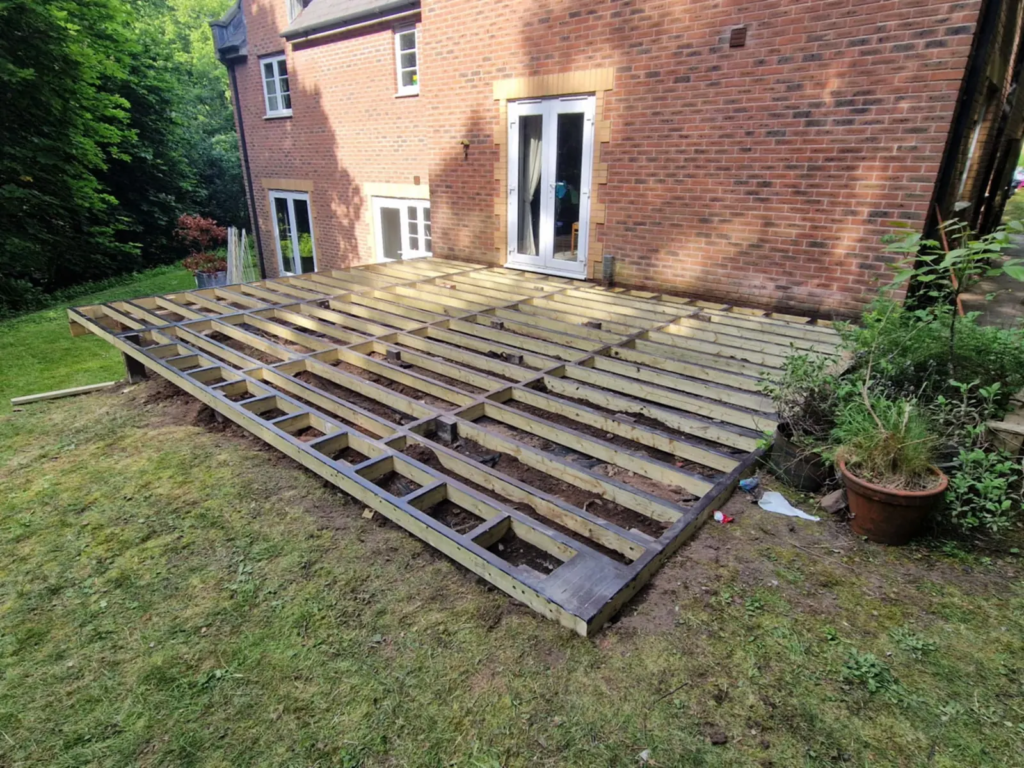
Problems such as boards lifting, uneven gaps or slight warping are usually not caused by the material itself. They are often linked to:
- Incorrect joist spacing
- Boards fixed too tightly with no room to move
- Lack of expansion gaps at the ends and sides
- Weak or poorly built subframes
These issues tend to show up over time, especially when the deck is exposed to regular changes in temperature and moisture.
How to Prevent It
The key is to install the decking correctly from the start. This includes following manufacturer guidelines for spacing, allowing proper expansion gaps and building a strong, level subframe that supports the boards evenly.
Ventilation underneath the deck also plays a role, as it helps regulate moisture and temperature around the structure.
This is one of the main areas where experience matters. At Ellis Decks LTD, we follow proven installation methods to make sure every deck can expand and contract naturally without causing long-term issues.
Composite Decking Drainage, Ventilation and Standing Water
Why Drainage Matters
In a wet climate like South Wales, drainage is one of the most important parts of a decking build.
If water cannot drain away properly, it will sit on the surface or collect beneath the deck. Over time, this can lead to algae build-up, increased slipperiness and unnecessary stress on the structure.
Good drainage helps the deck dry faster after rain and keeps the overall area cleaner and safer to use.
Common Mistakes
Drainage issues are almost always linked to design or installation. Typical problems include:
- Decks built completely flat with no fall
- Gaps between boards that are too tight
- Subframes sitting directly on concrete with no airflow
- Blocked gaps from dirt and debris
These mistakes prevent water from moving away from the deck naturally.
How to Get It Right
A well-built deck should include a slight fall so rainwater runs off the surface rather than pooling.
There should also be consistent spacing between boards to allow water to pass through, along with enough space beneath the deck for airflow.
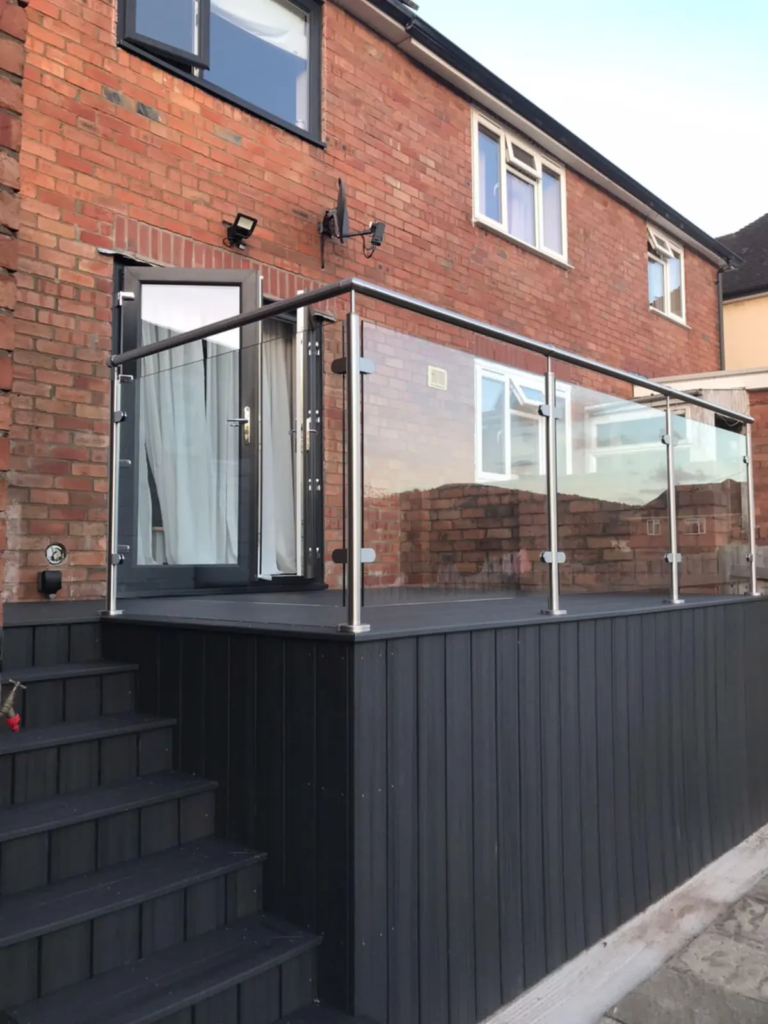
These details may seem small, but they have a big impact on long-term performance. If you are replacing an old deck that has rotted because of poor drainage, see our page on timber decking replacement in South Wales.
Cheap Composite Decking vs Quality Boards
Common Issues with Cheaper Boards
Not all composite decking is made to the same standard.
Lower-cost systems often use hollow boards or less advanced materials. These can be more prone to movement, flexing and early signs of wear.
They may also be more likely to fade or stain, especially in exposed or coastal areas.
Misleading Expectations
Composite decking is sometimes marketed as “zero maintenance,” which can lead to unrealistic expectations.
In reality, it is low maintenance. It still needs basic care, such as cleaning and occasional checks, to keep it performing well.
Many of the negative stories people read online come from poor-quality products or installations that did not follow proper guidelines.
What to Look For Instead
For better long-term results, it is worth choosing a well-engineered system from a trusted brand.
Capped composite boards are designed to resist moisture, fading and staining more effectively. Solid or high-quality boards also tend to feel more stable underfoot and perform better over time.
This is where products like Trex stand out. They are designed for durability and consistent performance in outdoor conditions. We look at the costs in more detail in is Trex composite decking worth the money?
How to Avoid Composite Decking Problems
Most composite decking issues can be avoided with the right decisions early on.
The first step is choosing the right material. Capped composite boards are better suited to wet UK conditions, especially in areas exposed to rain and coastal weather. They are designed to resist moisture, fading and staining more effectively than lower-grade options.
It is also important to use a reliable system rather than unbranded or budget products. Higher quality boards are more consistent, more stable and built to perform over time.
Design plays a big role as well. A deck should include a slight fall so water can drain away, along with proper spacing between boards to prevent build-up. Ventilation underneath the deck helps the structure dry out after rain.
Ongoing care is simple but important. Regular sweeping, occasional washing and clearing debris from gaps will keep the surface clean and reduce the risk of algae or staining.
When all of these elements are combined, composite decking performs well even in the wetter conditions found across South Wales.
Why Professional Composite Decking Installation Makes the Difference
The biggest factor in how well a composite deck performs is not just the material. It is how the deck is built.
Many of the problems people read about, such as movement, standing water or uneven boards, come from poor installation rather than faults with the decking itself.
Correct joist spacing, proper fixing methods and allowing for expansion are all essential. Drainage and airflow also need to be built into the design from the start.
As a TrexPro® Gold installer, Ellis Decks LTD follows manufacturer-approved installation methods to make sure every deck is built to handle real conditions in South Wales. This includes allowing for movement, creating proper drainage and ensuring the structure is fully supported.
This level of detail helps prevent common issues and ensures the decking performs as expected over the long term. You can read what our customers say in our composite decking reviews.
If you are planning a decking project anywhere in South Wales and the borders, you can learn more about our composite decking services, view our decking projects to see how these principles are applied in real installations, or call 07971 750900 for a free estimate.
Composite decking problems: FAQs
Does composite decking go mouldy in the UK?
Composite decking can develop mould or algae on the surface, especially in damp or shaded areas. This is not the decking rotting. It is usually caused by moisture and debris sitting on the boards. Regular cleaning and good airflow help prevent build-up and keep the surface clear.
Is composite decking slippery when wet?
Composite decking is designed to be slip resistant, but it can become slippery if algae, dirt or standing water builds up. This is more common in wet climates like South Wales. Good drainage, proper installation and regular cleaning help maintain grip underfoot.
Does composite decking fade over time?
All outdoor materials fade slightly over time due to sunlight. Higher quality, capped composite boards are designed to resist fading much better than cheaper or uncapped products. Choosing the right material, such as Trex composite decking, makes a big difference to long-term appearance.
Can composite decking handle heavy rain?
Yes. Composite decking is designed for outdoor use and performs well in wet conditions. Problems usually only occur if drainage and ventilation are not considered during installation. A well-built deck will allow water to drain away and dry out properly after rain.
Is composite decking really low maintenance?
Composite decking is low maintenance, but not maintenance-free. It does not need sanding or staining like timber, but it still benefits from regular cleaning and basic care to keep it looking its best.
Can you fix or replace a problem deck in South Wales?
Yes. We build and replace decks across South Wales and the borders, including Newport, Cardiff and Chepstow. Call 07971 750900 or request a free estimate.
 This guide is part ofComposite decking installation in South WalesRanges, prices, the build process and 22 five-star reviews. →

Written by
Ellis, founder of Ellis Decks Ltd
Ellis has been building decks for over 12 years and is a TrexPro Gold installer, one of the higher levels of Trex's installer programme. He designs and builds every deck himself, across South Wales, the borders and the Cotswolds.