
Quick answer
A low-maintenance alternative to timber. Trex composite decking is made from recycled wood fibres and recycled plastic, capped with a protective polymer shell. It looks like timber but doesn't need sanding, staining or sealing, resists rot and splinters, and comes with 25 to 50 year limited warranties depending on the range.
In this guide
- Trex Composite Decking Explained
- How Trex Composite Decking Is Made
- Key Features and Benefits of Trex Composite Decking
- Trex Composite Decking Ranges Explained
- Trex Composite Decking vs Timber Decking
- Is Trex Composite Decking Worth It?
- Get a Quote for Trex Composite Decking in South Wales
- Frequently asked questions
Trex composite decking is a modern alternative to traditional timber decking. Instead of using solid wood boards, Trex decking is made from a blend of recycled wood fibres and recycled plastic. The boards are then capped with a durable polymer shell that protects the surface from weather, stains and everyday wear.
The result is a decking material that looks similar to timber but requires far less maintenance. Homeowners do not need to sand, stain or seal the boards each year, and the material is designed to resist rot, splintering and fading over time.
Because of this, Trex has become one of the most popular composite decking brands for gardens, patios and outdoor living spaces.
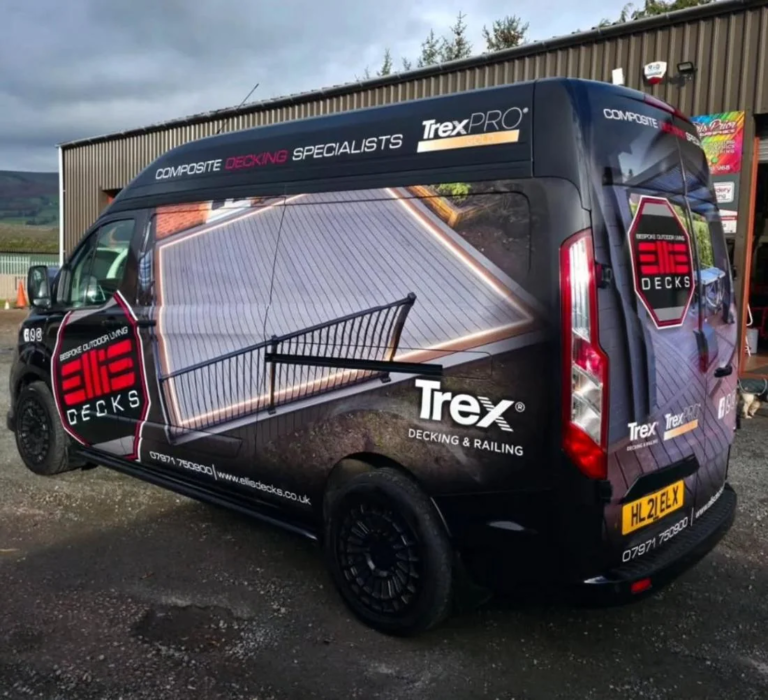
At Ellis Decks LTD, we install Trex composite decking for homeowners across South Wales. We are also a TrexPro® Gold installer, which means our team is recognised by Trex for meeting their standards for professional composite decking installation.
If you want to see how composite decking can transform an outdoor space, you can explore some of our recent decking projects across South Wales or learn more about our Trex composite decking installations.
In this guide, we will explain exactly what Trex composite decking is, how it is made, and why so many homeowners choose it over traditional timber decking.
Trex Composite Decking Explained
Trex composite decking is a man-made decking board designed to provide the appearance of timber without the maintenance problems that often come with natural wood.
Instead of solid timber, Trex boards are made from a wood plastic composite (WPC). This material combines recycled wood fibres with recycled plastic to create a strong, durable decking board that can handle outdoor conditions.
Most Trex products are also known as capped composite decking. This means the composite core of the board is covered with a protective outer shell. The shell improves resistance to moisture, stains and ultraviolet light, helping the decking keep its colour and structure for many years.
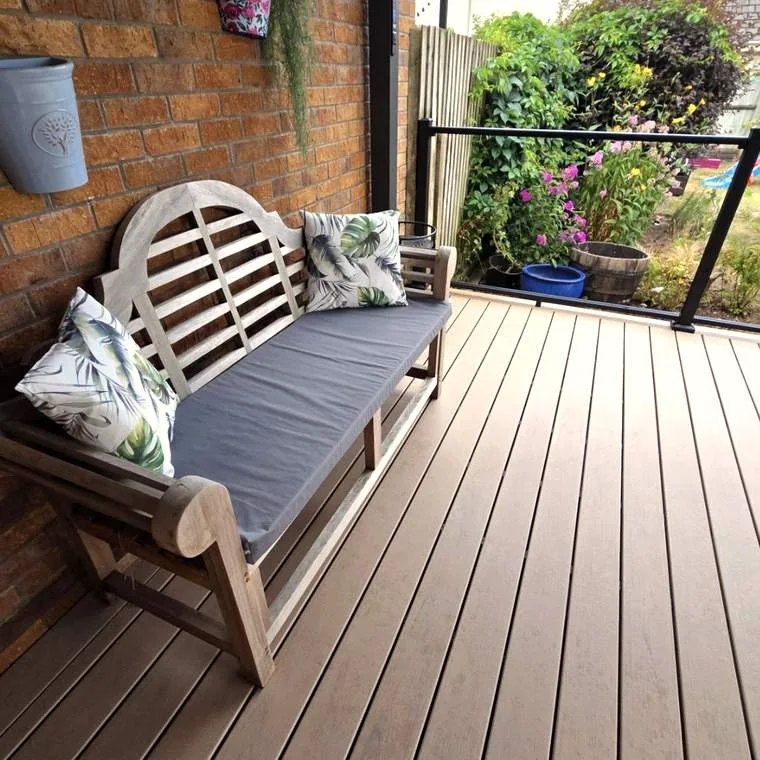
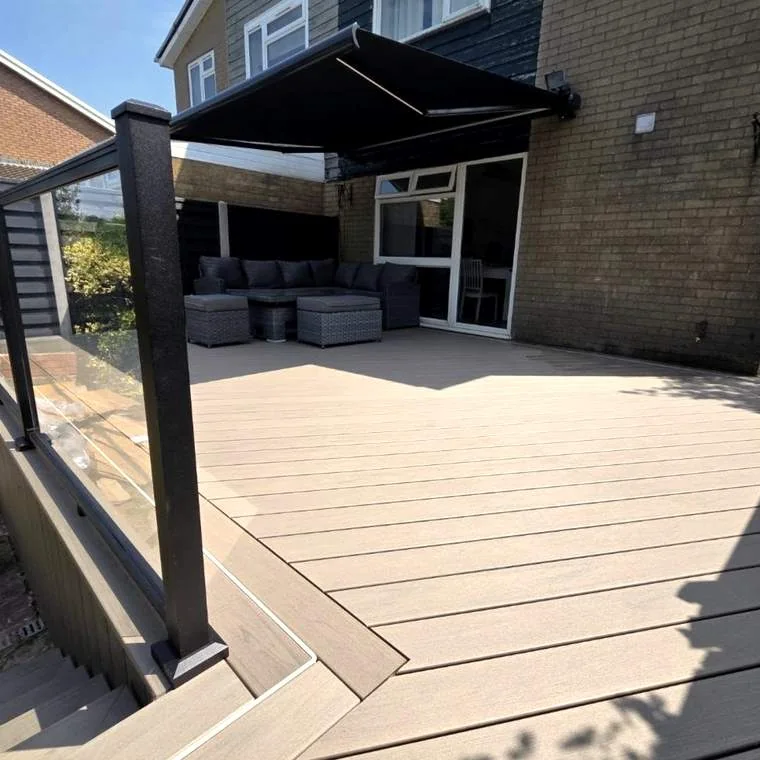
The surface of the boards is engineered to replicate the look of real timber. Grain patterns and colour tones are built into the material during manufacturing, so the deck looks natural while avoiding common timber issues such as splintering, cracking or insect damage.
For homeowners, the end result is simple. A Trex deck can look like stained timber from a distance, but it does not need to be restained every year and will not develop splinters or warped boards in the same way softwood decks often do.
For many outdoor spaces, this balance between appearance and durability is what makes composite decking an attractive option.
How Trex Composite Decking Is Made
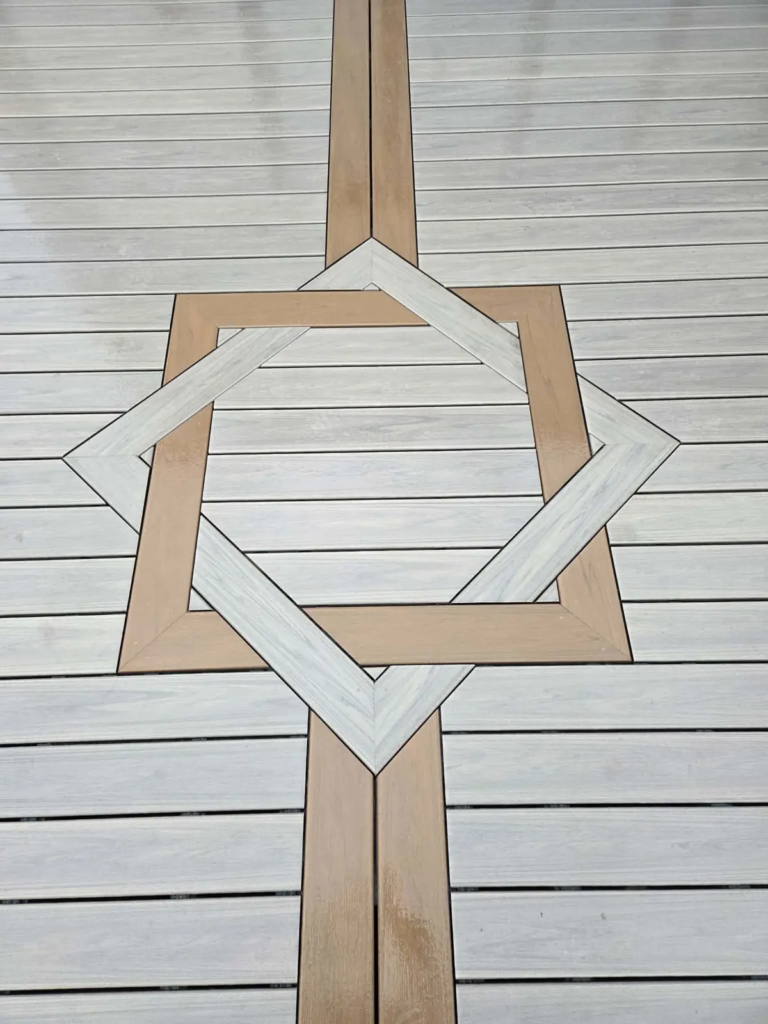
Trex composite decking is made through a manufacturing process that combines recycled materials into strong, durable deck boards. The goal is to create a product that looks like natural wood but performs better in outdoor environments.
Mixing Recycled Materials
The process begins with two main ingredients: recycled wood fibres and recycled plastic.
The wood content often comes from sawdust, wood scraps and other timber by-products. The plastic usually comes from recycled polyethene film, such as packaging materials.
These materials are mixed together with bonding additives to form a uniform composite compound. This mixture creates the core structure of the decking board.
Extruding the Deck Boards
Once the composite material is prepared, it is heated and pushed through an extrusion machine. This process shapes the material into long decking boards.
During this stage, manufacturers also add colour and create the wood-grain texture on the surface. This gives Trex boards their natural timber appearance.
Because the colour runs through the material and the texture is moulded into the board, the finished product closely resembles stained wood.
Adding the Protective Shell
Most Trex boards are known as capped composite decking. This means a durable polymer shell is bonded to the outside of the composite core during manufacturing.
The shell acts as a protective barrier. It helps protect the board from moisture, stains, fading and everyday wear.
This outer layer is one of the main reasons Trex decking performs well outdoors and requires much less maintenance than traditional timber decking.
Final Finishing and Testing
After the boards are formed, they are cut into standard lengths and finished. Each product line is designed to meet specific performance standards for outdoor use.
Trex decking boards are then tested for durability, colour stability and resistance to weather exposure before they are sold.
Key Features and Benefits of Trex Composite Decking
Trex composite decking is designed to solve many of the problems homeowners face with traditional timber decks. The material focuses on durability, low maintenance and long-term performance outdoors.
Low Maintenance
One of the biggest advantages of Trex decking is how little maintenance it requires.
Traditional timber decking often needs regular sanding, staining or sealing to protect it from weather damage. Trex boards do not need these treatments. In most cases, simple cleaning with soapy water or occasional pressure washing is enough to keep the deck looking good.
This makes composite decking appealing for homeowners who want an outdoor space without the ongoing upkeep.
Durability and Long Lifespan
Trex boards are built to handle outdoor conditions for many years.
The composite core and protective shell help resist common issues that affect timber decking. This includes rot, mould, mildew, warping and cracking. Because the boards are not made from solid wood, they also avoid splintering over time.
These qualities make composite decking a practical option for gardens in South Wales that are exposed to rain, moisture and changing temperatures.
Fade and Stain Resistance
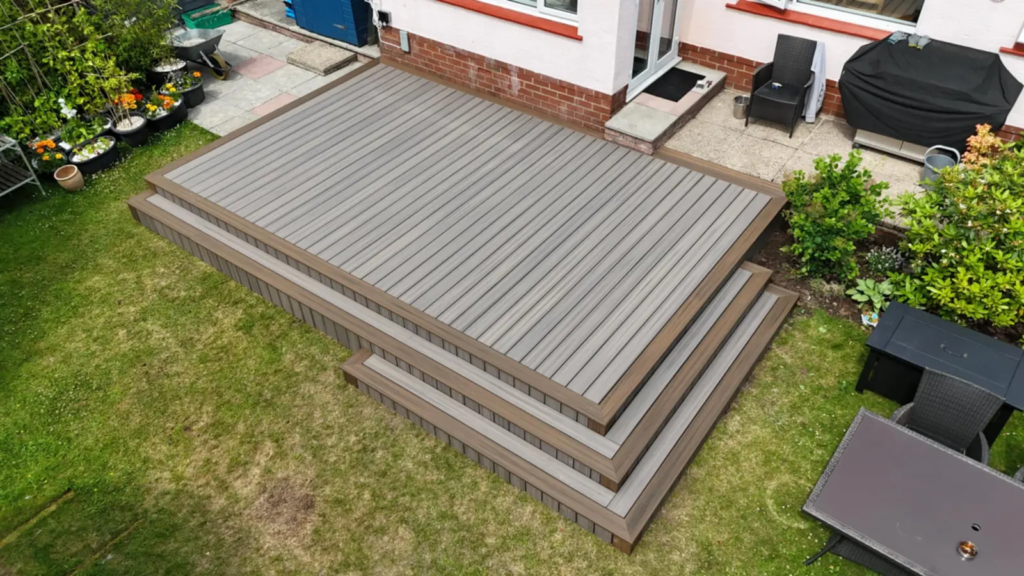
The polymer shell that surrounds most Trex boards is designed to protect the colour and surface of the decking.
It helps reduce fading from sunlight and provides resistance to everyday stains. Spills from food, drinks or outdoor furniture are less likely to leave permanent marks when they are cleaned up promptly.
This helps the decking maintain a consistent appearance over the years.
Safety and Comfort
Trex decking is also designed with comfort and safety in mind.
Because the boards are engineered materials, they do not produce splinters like traditional timber decking can. The surface texture is designed to offer slip resistance, which can help make the deck safer in wet conditions.
For many households, especially those with children or pets, this is an important benefit.
Environmentally Friendly Materials
Trex decking is made largely from recycled materials. The boards typically combine recycled plastic film with reclaimed wood fibres. Trex explains more about this on its eco-friendly decking page.
Using these materials helps reduce waste and lowers the demand for new timber resources. For homeowners who want a more environmentally conscious decking option, this can be an appealing factor.
Long Manufacturer Warranties
Trex products are also supported by long performance warranties.
Depending on the product line, Trex offers limited warranties that can range from around 25 years to as long as 50 years. You can read the full terms on the Trex UK warranty page. These warranties reflect the expected lifespan and durability of the material when properly installed and maintained, which is why choosing a TrexPro Gold installer matters.
Thinking about Trex decking for your garden? Call Ellis on 07971 750900 or request a free composite decking estimate and we’ll talk you through the options.
Trex Composite Decking Ranges Explained
Trex offers several decking ranges designed to suit different budgets and design preferences. These product lines are often described as a “good, better, best” structure, allowing homeowners to choose a level of performance and appearance that fits their project.
Trex Enhance
Trex Enhance is typically considered the entry-level option within the Trex range.
These boards are designed to provide the core benefits of composite decking at a lower price point. Many Enhance boards have a scalloped underside, which makes them lighter while still maintaining strength.
The range offers a smaller selection of colours but still provides good resistance to fading, staining and moisture.
Trex Select
Trex Select sits in the middle of the Trex product range.
It offers a balance between cost, durability and design. The boards are usually thicker than Enhance boards and include a full protective shell across the top and sides.
Trex Select colours tend to focus on classic, neutral tones that resemble painted or stained wood. This makes the range a popular choice for homeowners who want a traditional look with improved durability.
Trex Transcend
Trex Transcend is one of the premium options in the Trex decking lineup.
These boards feature deeper wood grain textures and a wider range of colour options, including richer tones designed to mimic natural hardwood.
Transcend boards are full-profile boards with enhanced resistance to fading, staining and everyday wear. They are often chosen for high-traffic areas or projects where appearance is a priority.
Other Trex Product Lines
Some Trex collections expand on the main ranges with additional features.
For example, certain premium lines focus on enhanced colour depth, improved heat mitigation or more refined surface finishes. These options are designed for homeowners who want a higher-end finish or additional performance features. You can see the current UK lineup on Trex UK.
Each range still follows the same core concept of composite decking: a durable composite core combined with a protective shell designed for long-term outdoor use.
Trex Composite Decking vs Timber Decking
When planning a new deck, many homeowners compare composite decking with traditional timber boards. Both materials can create an attractive outdoor space, but they differ in maintenance, durability and long-term performance.
Maintenance Requirements
Timber decking usually requires regular maintenance to keep it in good condition. This often includes sanding, staining or sealing the boards every few years to protect them from weather damage.
Trex composite decking does not need these treatments. The boards are designed to keep their appearance with basic cleaning, such as washing with soapy water or occasional pressure washing.
For many homeowners, this reduction in maintenance is one of the main reasons they choose composite decking.
Durability and Weather Resistance
Natural wood can be affected by moisture, sunlight and insects over time. Timber boards may crack, warp or splinter, especially if they are exposed to harsh weather or not regularly treated.
Trex boards are built differently. The composite core and protective shell help resist moisture, rot and insect damage. The boards are also designed to avoid splintering and to remain stable in changing weather conditions.
This makes composite decking a reliable option for outdoor spaces that experience regular rain and seasonal temperature changes. If your old deck is already rotting, see our guide to replacing timber decking in South Wales.
Long-Term Costs
Timber decking is often cheaper to install at first. However, the ongoing cost of treatments, stains and maintenance can add up over the life of the deck.
Trex composite decking usually has a higher upfront cost, but the reduced maintenance and longer lifespan can make it more cost-effective over time.
For homeowners planning to keep their deck for many years, this long-term value can be an important factor.
Is Trex Composite Decking Worth It?
For many homeowners, Trex composite decking offers a balance between appearance, durability and low maintenance.
The boards are designed to look like natural timber while avoiding many of the common issues associated with wood decking. There is no need for regular staining or sealing, and the material is built to resist rot, splintering and fading.
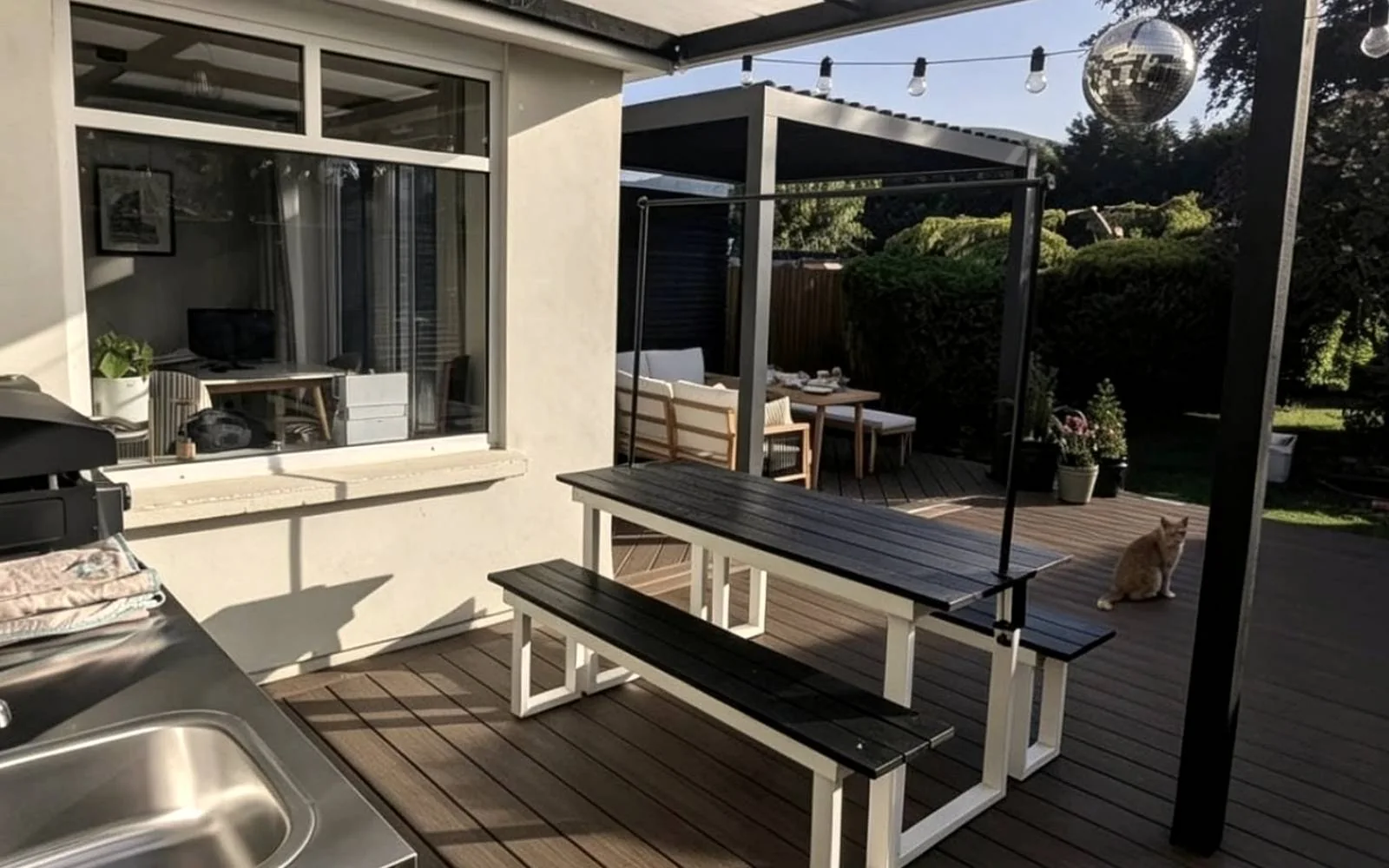
Trex decking is often a good choice for garden decks, patios and outdoor seating areas where people want a long-lasting surface that requires minimal upkeep.
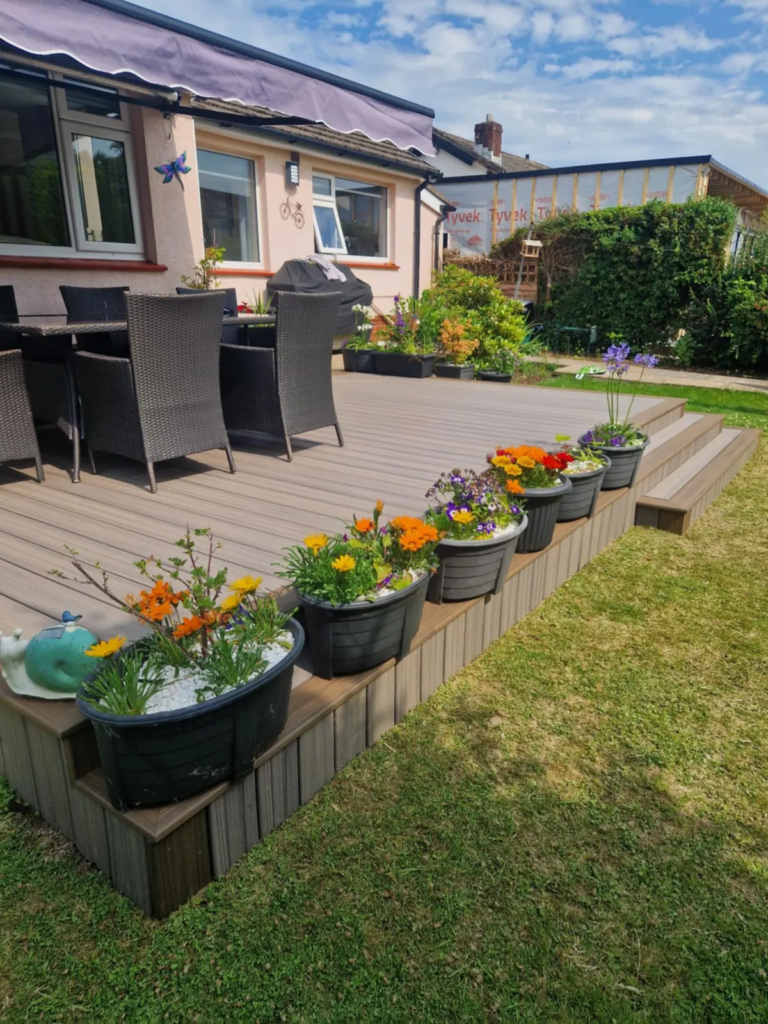
For homeowners who prefer a traditional timber look but want fewer maintenance tasks over time, composite decking can be a practical alternative. We break down the real costs in our guide: is Trex composite decking worth the money?
If you want to see how Trex composite decking can transform an outdoor space, you can explore some of the recent installations completed by Ellis Decks LTD, or read what customers say in our composite decking reviews.
Get a Quote for Trex Composite Decking in South Wales
If you are considering composite decking for your garden, Trex offers a durable and low-maintenance option that can last for decades when installed correctly.
At Ellis Decks LTD, we design and install Trex composite decking for homeowners across South Wales and the borders. As a TrexPro® Gold installer, our team follows recommended installation practices to ensure the decking performs as intended.
If you would like advice on design options, colours or decking layouts, call 07971 750900 or contact us to request a free Trex decking quote.
Trex composite decking FAQs
What is Trex composite decking made from?
Trex boards are made from a blend of recycled wood fibres and recycled plastic film, such as packaging. Most Trex boards are then capped with a polymer shell that protects them from moisture, stains and fading.
How long does Trex composite decking last?
Trex backs its boards with limited warranties of around 25 to 50 years, depending on the range. Getting the subframe and installation right matters just as much, which is why we install to Trex’s standards as a TrexPro Gold installer.
Does Trex decking need sanding, staining or sealing?
No. Trex boards don’t need sanding, staining or sealing. A wash with soapy water, or an occasional pressure wash, is usually enough to keep them looking good.
Is Trex decking slippery, and does it splinter?
Trex boards are engineered, so they don’t splinter like timber. The surface texture is designed to offer slip resistance, which helps on wet days.
Which Trex decking range should I choose?
Trex Enhance is the entry-level range, Trex Select sits in the middle and Trex Transcend is one of the premium options, with deeper grain and richer colours. Ellis can talk you through the ranges and colours when he comes out to quote. See our Trex composite decking page for more.
Do you install Trex composite decking near me?
We install Trex decking across South Wales and the borders, including Newport, Cardiff, Monmouth and Usk. Call 07971 750900 or request a free estimate.
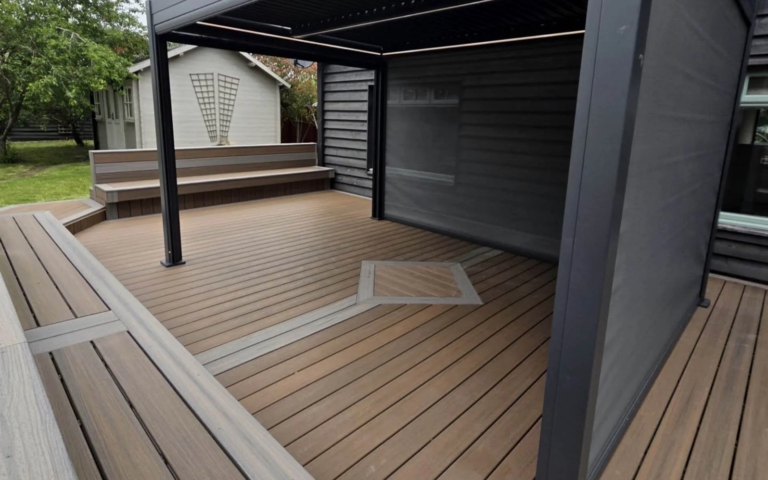 This guide is part ofComposite decking installation in South WalesRanges, prices, the build process and 22 five-star reviews. →

Written by
Ellis, founder of Ellis Decks Ltd
Ellis has been building decks for over 12 years and is a TrexPro Gold installer, one of the higher levels of Trex's installer programme. He designs and builds every deck himself, across South Wales, the borders and the Cotswolds.